Cuban Bakery Aurora CO: Freshly Baked Traditions Daily
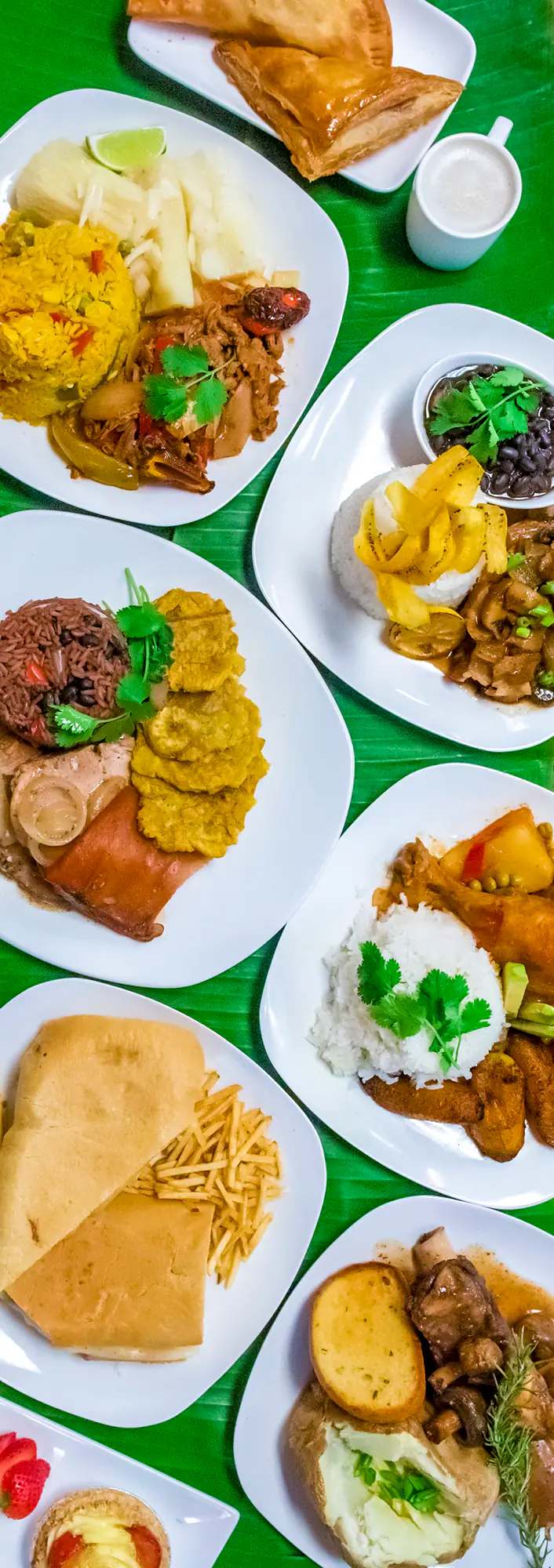
There is a particular kind of comfort that only a bakery can provide. You notice it before you even reach the counter. Butter warms in the air. Sugar settles into the edges of the room. Trays slide out of the oven, and for a moment the whole space smells like breakfast, dessert, and memory at once. In a Cuban bakery, that atmosphere carries something more specific. It is not just the scent of bread and pastry. It is routine, heritage, and a style of baking that values both generosity and precision.
For anyone searching for a Cuban bakery Aurora CO, the appeal usually starts with food, but it rarely ends there. A good Cuban bakery does more than sell pastries. It preserves habits that began in family kitchens and neighborhood panaderías, where the day was organized around fresh batches, strong coffee, and a counter full of familiar choices. That tradition still matters, especially in a place like Aurora, where people want food with character and are quick to notice the difference between something made for convenience and something made with intention.
What sets Cuban baking apart is not extravagance. In fact, many of the best items are simple at first glance. The magic comes from texture, timing, and balance. A guava pastry has to crackle at the edges without turning dry. A loaf of Cuban bread should feel light in the hand but still hold structure. A proper croqueta should have a crisp shell that gives way to a smooth center, never greasy, never heavy. None of that happens by accident.
What makes a Cuban bakery feel authentic
Authenticity in baking is easy to misuse as a marketing word. In practice, it is less about strict nostalgia and more about discipline. A bakery can feel contemporary and still stay true to Cuban tradition if it respects the fundamentals. That means fresh production throughout the day, a menu rooted in recognizable staples, and a clear understanding that pastry and bread are part of daily life, not just occasional treats.
One of the quickest ways to judge a bakery is by watching what comes out of the kitchen and how often it happens. In a serious bakery, turnover is constant. Trays do not sit untouched for half a day while people debate what to order. Morning brings one rhythm, lunch another, late afternoon another. Bread is replenished because people buy it by habit. Pastries move because regulars know what they want before they step inside. Coffee is not an accessory. It is part of the exchange.
That daily cadence matters in a Cuban bakery because so many classic items are best within a narrow window. Puff pastry loses its edge if it lingers too long. Soft sandwich rolls turn from delicate to forgettable when they are not handled carefully. Custards, fillings, glazes, and fried snacks all have their own peak. Experienced bakers build the day around those realities.
In Aurora, where food culture continues to broaden and neighborhoods support a wide mix of traditions, a Cuban bakery occupies an interesting place. It can serve longtime Cuban families looking for familiar flavors, but it also draws in people who simply appreciate careful baking and good coffee. That overlap is where these bakeries often shine. They do not need to explain themselves too much. The display case usually does that.
The pastries people come back for
A classic Cuban bakery menu usually combines sweet pastries, savory snacks, breads, cookies, and café staples. The names vary slightly from one place to another, and every baker has a personal touch, but a few items are especially central.
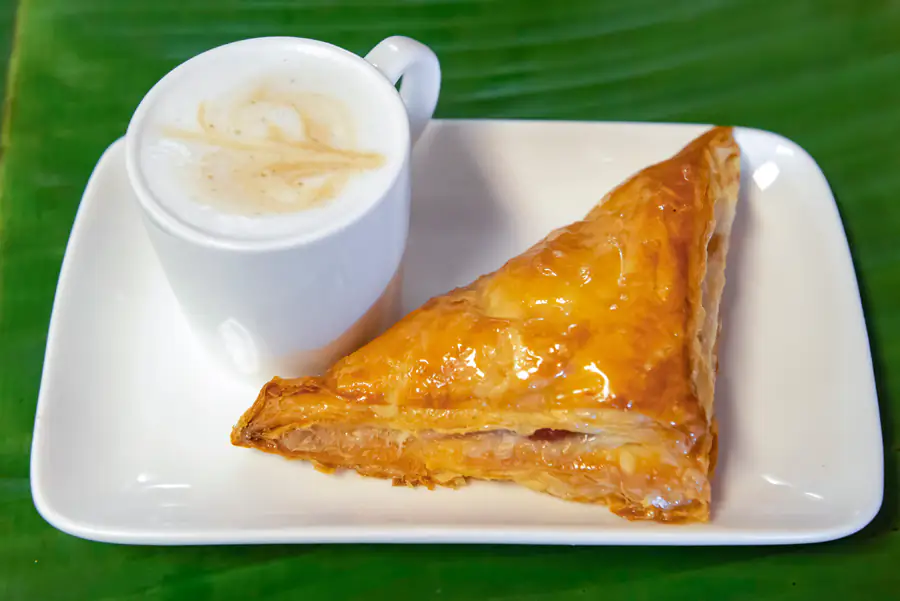
- Pastelitos de guayaba, often made with guava paste and flaky pastry, sometimes paired with cream cheese for a richer balance.
- Pastelitos de carne, savory pastries filled with seasoned ground beef that should taste warm, aromatic, and neatly spiced rather than overloaded.
- Croquetas, commonly ham based, with a fine crumb coating and a creamy interior that stays cohesive when bitten.
- Cuban bread and soft rolls, essential for sandwiches and just as useful at home with butter, café con leche, or a quick pressed snack.
- Cookies and dessert slices, including variations with coconut, custard, or dense fillings that pair well with coffee.
The difference between an average version and a memorable one is usually subtle but decisive. Good puff pastry should shatter lightly rather than collapse into dust. Guava should taste fruity and bright, not one-note sweet. Savory fillings need enough seasoning to stand up to the dough, but not so much that every bite tastes like salt. In bakeries that know their craft, sweetness is restrained more often than outsiders expect. Cuban pastries are indulgent, but they are usually balanced.
I have seen customers new to Cuban bakeries assume the case will function like a generic pastry shop, where the visual drama tells the whole story. It rarely does. Some of the most satisfying items look modest. A plain-looking roll can be exactly right for a sandwich. A simple croqueta can outperform a more ornate pastry because it is built for appetite rather than display. The regulars understand that quickly. They come in for what works, not just for what photographs well.
Bread is the backbone, not the side act
Pastries often get the attention, but bread is what reveals a bakery’s standards. Bread has nowhere to hide. It depends on fermentation, shaping, proofing, oven management, and timing. If a bakery handles bread well, there is a good chance the rest of the menu reflects that same care.
Cuban bread is often described in broad strokes, but the real experience is tactile. It should have a thin, delicate crust and a soft interior with enough structure to support fillings without becoming dense. It is meant to be eaten fresh. That point cannot be overstated. Bread like this is not designed for long shelf life. It is designed for use the same day, which is exactly why fresh baking matters so much.
In practical terms, that freshness changes the quality of everything else. A medianoche or pressed sandwich built on bread baked hours earlier will almost always taste livelier than one made on bread that has been sitting too long. The crumb compresses properly. The exterior takes heat evenly. The sandwich stays crisp outside and tender inside. Those details create the difference between lunch that feels routine and lunch that feels worth going out for.
A strong Cuban bakery in Aurora will often earn customer loyalty through bread long before people start exploring the sweets. Families stop in to pick up loaves for dinner. Workers grab rolls for sandwiches. Neighbors build weekend habits around fresh bread in the morning. That kind of repeat business keeps a bakery grounded in daily use rather than novelty.
Coffee is part of the bakery’s language
It is hard to talk seriously about Cuban bakery culture without talking about coffee. The pairing is too deeply woven into the experience. Sweet pastries become sharper and more elegant next to a small, strong coffee. Savory snacks make more sense when followed by a sip with real intensity. Even the pace of a bakery changes when coffee service is active. Orders move differently. Conversations linger.
Cuban coffee drinks are often small but assertive. They are not designed to be carried around all morning and forgotten in a cup holder. They arrive with purpose. That suits bakery food beautifully because the portions and flavor profiles are meant to meet each other halfway. A sugary pastry can absorb the bitter edge of espresso. A buttery dough gains structure from it. A croqueta and coffee, eaten quickly at the right time of day, can feel more satisfying than a larger meal.
For many customers, especially those who grew up around these flavors, the coffee is not optional. It completes the ritual. For newcomers, it often becomes the detail that converts curiosity into loyalty. They may first visit because they have been told to try a guava pastry, but they remember the whole interaction, the heat of the pastry bag, the strength of the coffee, the sense that this food belongs to a living tradition.
Why location matters in Aurora
Aurora is not a city where one kind of food culture dominates everything else. Its strength lies in variety. That matters because a Cuban bakery here does not exist in isolation. It competes with excellent options across cuisines, price points, and formats. To thrive, it needs to do more than evoke nostalgia. It has to deliver quality that stands up on its own terms.
That environment can actually sharpen a bakery’s standards. Customers in Aurora have range. They know what a good pastry should taste like. They know when bread is stale. They know when a menu feels assembled for broad appeal instead of built from actual expertise. A bakery that succeeds here usually does so because it earns trust one visit at a time.
There is also a practical advantage to this setting. In a diverse city, food traditions cross-pollinate in useful ways. One household may come in for Cuban bread and leave with pastries for a birthday. Someone else may first visit for coffee and eventually order sandwich trays for an office gathering. Families blend habits. Neighbors share recommendations. A bakery becomes part of local routine, not just a specialty stop.
That is one reason the phrase Cuban bakery Aurora CO has real search value. People are not merely looking for dessert. They are often looking for a place that can serve several needs at once: breakfast on the way to work, pastries for a weekend visit, bread for home, coffee during an afternoon errand, or a tray of savory items for a party. The best bakeries understand that their role is broader than one category.
Freshness is not a slogan, it is a schedule
When bakeries advertise freshness, the statement can sound generic. In reality, freshness has operational consequences. It means waking up early enough to produce before demand starts. It means accepting that some items must be remade during the day. It means managing waste carefully without letting caution undermine quality. Those are not small decisions. They affect labor, ingredient use, pricing, and customer expectations.
A bakery that bakes throughout the day often develops a different relationship with regulars. People learn when certain things are likely to https://cristianktug052.oakmontscope.com/posts/fresh-bread-and-bold-flavor-at-a-cuban-bakery-in-aurora-co be at their best. Morning may be ideal for bread and breakfast pastries. Late morning can be strong for savory items. Midafternoon may bring another run of sweets. Customers time visits around these patterns, and staff members often know what the regular crowd is waiting for.
There is also an honesty built into fresh production. If something has sold out, that is frustrating in the moment, but it can also signal that the bakery is making food in real cycles rather than relying on long holding times. Seasoned customers understand that trade-off. They would rather arrive to a case that has moved than to one that looks full because nothing has been worth buying.
This is especially true with laminated or flaky pastries. Once you have had a guava pastry when it is still slightly warm and crisp, it becomes difficult to accept a tired version. The same goes for croquetas and savory pastries. Texture has a shelf life. Fresh baking protects that texture, and texture is half the pleasure.
What to notice when you visit
A first visit to a Cuban bakery can be a little overwhelming if the case is full and the names are unfamiliar. The best approach is not to overcomplicate it. Pay attention to movement, aroma, and the condition of the food in front of you. Those cues reveal more than a polished sign ever could.
- Ask what came out recently, especially if you are deciding between pastries that depend on texture.
- Order at least one sweet item and one savory item so you can taste the bakery’s range.
- If bread is available fresh, take some home, even if that was not your original plan.
- Pair your pastry with coffee rather than a cold bottled drink if you want the full flavor balance.
- Return at a different time of day on another visit, because bakeries often feel different in the morning than they do after lunch.
That last point matters more than many people expect. Some bakeries are at their best in the first rush of the day, with warm bread and breakfast energy. Others hit a stride later, once savory items and lunch traffic are in motion. If you are deciding whether a bakery deserves a place in your routine, one visit is useful, but two or three visits at different hours tell a fuller story.
The role of family memory in Cuban baking
Few bakery traditions are as closely tied to memory as Cuban baking. Ask people what they miss most from childhood or from family gatherings, and the answers often come in textures and smells. The top of a pastry dusted with sugar. The first tear of bread still warm from the bag. The contrast between salty ham croquetas and sweet coffee. These are not abstract comforts. They are physical, repeatable experiences.
That emotional connection creates both an opportunity and a challenge for bakers. Customers who grew up with these foods often have exacting standards. Their reference point is not a recipe card. It is a grandmother’s kitchen, a neighborhood bakery from years ago, a holiday table, a Sunday breakfast. Matching memory perfectly is impossible, but respecting it is essential.
The strongest bakeries do not chase memory through gimmicks. They do it through consistency. If a pastry tasted right last week, it should taste right again today. If the bread was excellent on Saturday, it should not become an afterthought on Tuesday. Trust in a bakery is built through repetition. People want to know that what they love will still be there, made with the same care.
In communities where people have moved far from those early reference points, that reliability matters even more. A bakery can provide a kind of continuity, a place where flavors remain stable even when life around them changes. That is part of the reason Cuban bakeries often become community anchors rather than simple retail spaces.
More than a pastry case
A well-run Cuban bakery often serves several roles at once. It is breakfast stop, lunch option, quick errand, family treat source, and social touchpoint. On weekends, it may become especially busy with customers buying in bulk for gatherings. During the workweek, it might lean more heavily on coffee, savory pastries, and grab-and-go bread. The business has to flex without losing identity.
That flexibility is not accidental. It usually reflects a menu designed around real use. Sweet pastries draw impulse purchases, but bread and savory items bring people back regularly. Coffee ties the experience together. Special orders and larger trays extend the bakery’s presence into homes, offices, and celebrations. Every part supports the rest.
There is also something deeply practical about the appeal. Cuban bakery food is satisfying without being precious. It can be breakfast in the car, lunch at a desk, dessert after dinner, or part of a party spread. It works because it was never meant to be admired from a distance. It was meant to be eaten often.
That practicality is one reason a search for Cuban bakery Aurora CO often leads to lasting loyalty rather than a one-time stop. People discover a bakery for one reason and keep returning for another. Maybe they came for pastelitos and stayed for bread. Maybe they came for coffee and started ordering croquetas by the dozen. Maybe they needed a box for guests and found a place that made everyday eating easier and better.
Why these traditions keep their hold
Food traditions last when they solve ordinary needs beautifully. Cuban baking does exactly that. It offers breakfast that feels comforting, snacks that travel well, bread that improves the meals around it, and desserts that satisfy without requiring ceremony. At the same time, it carries cultural memory with remarkable efficiency. A small pastry can say a great deal about where a family comes from and what they continue to value.
For Aurora, that kind of food has obvious staying power. People want authenticity, but they also want usefulness. They want flavor with a point of view, and they want places they can rely on more than once a month. A Cuban bakery meets that standard when it bakes fresh, respects tradition, and pays attention to the details that customers may not always name but always recognize.
The result is simple to describe and hard to fake. Warm bread in a paper bag. Flaky pastry that leaves sugar on your fingertips. Savory snacks that disappear before you get them home. Coffee strong enough to cut through sweetness and sharpen the whole experience. Those are not trends. They are habits, and good bakeries are built on habits that endure.
Anyone seeking a true Cuban bakery Aurora CO experience is usually looking for more than a place to satisfy a craving. They are looking for a bakery that understands how daily baking can preserve culture, support community, and still deliver the straightforward pleasure of something fresh from the oven. When that balance is right, the tradition speaks for itself, one tray at a time.
Cuba Bakery & Café
15028 E Mississippi Ave, Aurora, CO 80012
+1 303-752-2822
FAQ About Cuban bakery Aurora CO
What are Cuban pastries called?
Many small Cuban pastries are called pastelitos. They can have sweet or savory fillings, such as guava, cheese, guava and cheese, or seasoned meat. Cuba Bakery & Café lists guava, cheese, guava-and-cheese and beef pastries on its menu. Ask the bakery about current availability and ingredients when ordering.
What are traditional Cuban pastries?
Common Cuban bakery choices include flaky pastelitos filled with guava, cheese or meat. Cuban bakeries may also offer empanadas, breads and desserts alongside coffee. Cuba Bakery & Café lists pastelitos, several empanada fillings, pan Cubano and desserts such as tres leches and bread pudding. Selection can vary, so confirm the day's choices with the bakery.
What makes Cuban bread different?
Cuban bread is known for its light interior and a thin crust that becomes crisp when toasted or pressed. Traditional recipes often use lard, although ingredients vary by baker. It is commonly served as buttered toast or used for Cuban sandwiches. Cuba Bakery & Café lists pan Cubano and tostada on its menu; ask staff about the ingredients in their bread if you have dietary restrictions.